Recent News
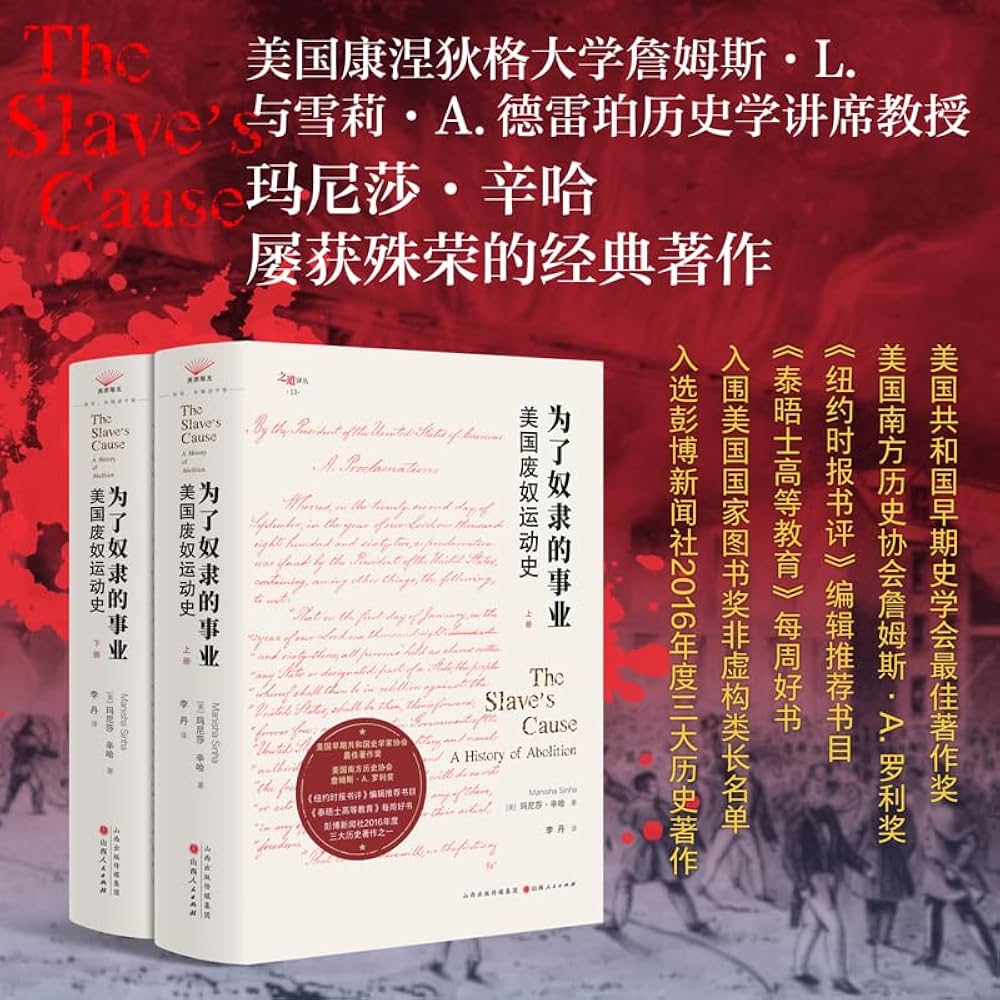
Chinese Edition of The Slave’s Cause: A History of Abolition
Manisha Sinha, Author Beijing Han Tang Zhi Dao Book Distribution Co., Ltd., 2025 The Chinese edition of the multiple-award winning The Slave’s Cause: A History of Abolition (Yale University Press, 2016) was translated by Professor Li Dan of Nanjing University and published in two volumes in 2025. The book, which was also long listed for […]
[Read More]Professor Micki McElya’s “Liberation Summer” is well received in NYT book review
Reviewer Katie Roiphe calls the book a “lively, stylish social history” and remarks on the fact that the book faces the “divisions and power struggles at the heart of the women’s liberation movement” rather than treating it as a cohesive effort. Full article: When Miss America Made Feminists Mad
[Read More]UConn Today Article “Curating the 250th: History Professors Mark Country’s Anniversary with Museum Exhibitions” features Professors Sinha and Horowitz
Manisha Sinha curated the “The Second American Revolution” exhibition at the Abraham Lincoln Presidential Library and Museum, and Andy Horowitz was part of the team behind the “Connecticut’s Revolution” exhibit at the Museum of Connecticut History. Incredible pieces of American history, from the actual 13th amendment document to the original Connecticut copy of the Declaration […]
[Read More]-
Oct19“In Latin America You Could Be Free” - Dr. Yesenia Barragan To Deliver 2026 Fusco Distinguished LectureThe Dodd Center for Human Rights4:00 PM
-
Oct21
-
Oct21Wednesday Workshops- Evan Turiano “Freedom or the Grave: Rights, Property, and Law on the Underground Railroad”Walter Childs Wood Hall12:15 PM
Chinese Edition of The Slave’s Cause: A History of Abolition
Manisha Sinha, Author Beijing Han Tang Zhi Dao Book Distribution Co., Ltd., 2025 The Chinese edition of the multiple-award winning The Slave’s Cause: A History of Abolition (Yale University Press, 2016) was translated by Professor Li Dan of Nanjing University and published in two volumes in 2025. The book, which was also long listed for […]
[Read More]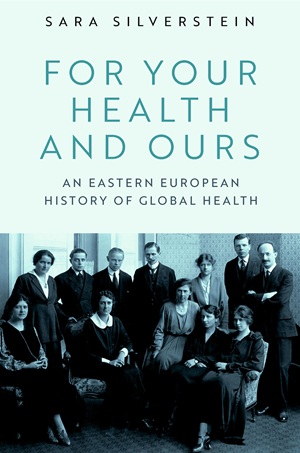
For Your Health and Ours: An Eastern European History of Global Health
Sara Silverstein Oxford University Press, 2026 In For Your Health and Ours: An Eastern European History of Global Health, Sara Silverstein uses new research and material in six languages from seven countries and twenty-seven archives to describe a history of global health that decenters imperial influence and emphasizes the initiatives of people on the political peripheries including […]
[Read More]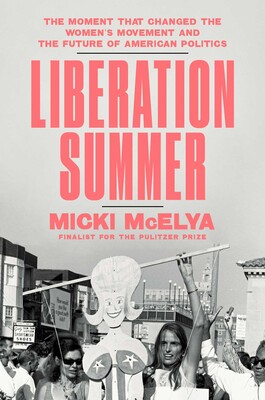
Liberation Summer: The Moment That Changed the Women’s Movement and the Future of American Politics
Micki McElya, Author Simon & Schuster, 2026 Professor McElya’s 2026 book Liberation Summer is about a key moment in the women’s liberation movement surrounding the 1968 Miss America pageant in Atlantic City and the reactions and protests it was surrounded by.
[Read More]
The First Right: Self-Determination and the Transformation of International Order, 1941-2000
Bradley Simpson, Author Oxford University Press, 2025 In The First Right, Brad Simpson narrates the global history of the idea of self-determination in international politics from the 1940s through the end of the twentieth century. He argues that there was no one version of self-determination, but a century-long contest between contending visions of sovereignty and rights. He shows that […]
[Read More]